Cathedral of Saint Mary of Zion
სიონი
Building type: Cross-dome church
Tbilisi Region
Frescoes
102History
Sioni Cathedral of the Dormition of the Virgin Mary
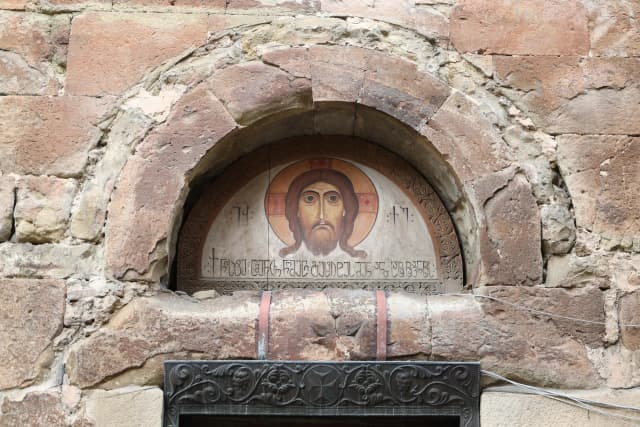
Sioni Cathedral of the Dormition of the Virgin Mary is one of Tbilisi’s most significant historical and religious monuments. For centuries, the cathedral served as an important centre of the city’s spiritual life, and since 1920 it has held the status of the Patriarchal Cathedral of Georgia.
According to tradition, the first church on this site was built by King Vakhtang Gorgasali in the second half of the 5th century. However, construction of the present cathedral began in the second half of the 6th century, during the rule of Guaram Kurapalat, Eristavi of Kartli, and was completed in the 620s under Eristavi Adarnase.
The cathedral has not survived in its original form. Sioni was raided and damaged several times throughout different periods, and as a result, the present building contains discernible construction layers from different eras. The cathedral was presumably extensively renovated in 1122, following the liberation of Tbilisi by David IV the Builder.
One of the most tragic episodes in Sioni’s history took place in 1226. After capturing Tbilisi, Khwarazmian Shah Jalal al-Din raided the cathedral, removed its dome and erected his throne upon it. Many residents of Tbilisi and other Georgians were martyred for refusing to desecrate the icons taken from Sioni Cathedral. This event has remained in Georgia’s historical memory as one of the symbols of self-sacrifice for the Christian faith.
At the end of the 14th century, Sioni was damaged during the invasions of Timur, but it was restored in the 15th century. A new dome was subsequently erected, and in 1710, during the reign of Vakhtang VI, the façades and the dome drum were faced with Bolnisi tuff.
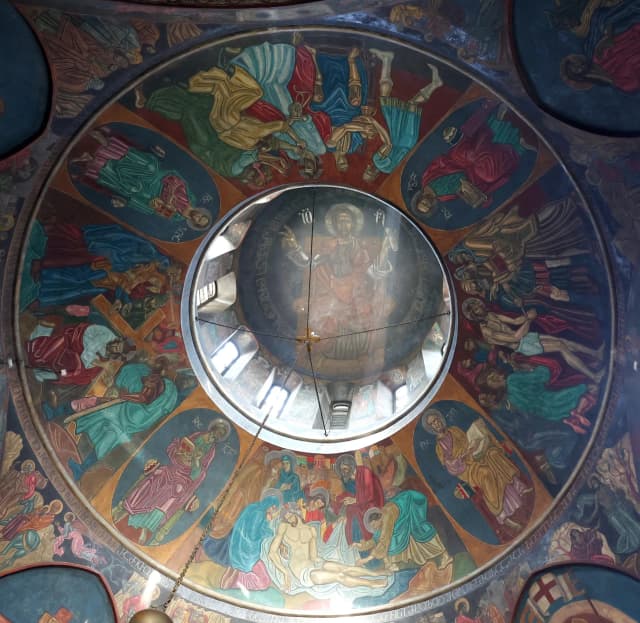
The cathedral was damaged repeatedly during the 18th century. It suffered its greatest destruction in 1795, during Agha Mohammad Khan’s sack of Tbilisi. In the 19th century, Sioni was restored several times and repainted. Between 1851 and 1855, new wall paintings were created by Grigory Gagarin.
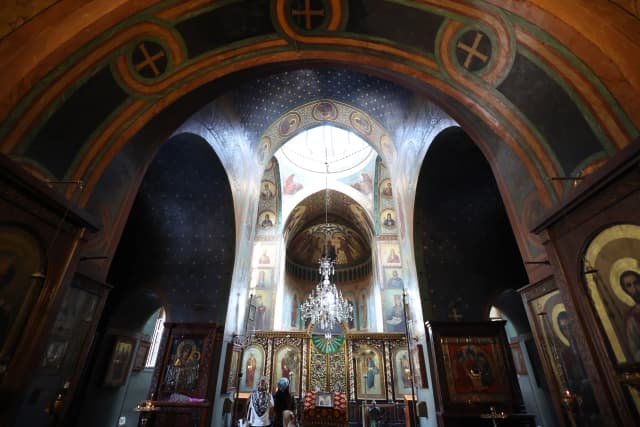
The present appearance of Sioni is the result of centuries of construction and restoration. It is a cross-domed structure, and traces of different historical periods can be discerned in its architecture. Conservation and restoration of the cathedral continued throughout the 20th century. In 1978–1979, the western section was repainted by the artist Levan Tsutskiridze, while between 1980 and 1983, a significant part of the cathedral’s exterior facing was renovated.
Sioni is particularly significant for the sacred relics and historical figures associated with it. The cathedral houses the skull of Saint Thomas the Apostle and the Cross of Saint Nino, while the relics of Saint Eustathius of Mtskheta are buried beneath the altar of Sioni. Several Georgian Catholicos-Patriarchs are also buried within the cathedral and its grounds, giving Sioni particular significance in the history of the Georgian Church. Catholicos-Patriarch Ilia II is also buried here.
You May Also Like
Anchiskhati Basilica of St Mary
Shavteli Street, Kala, Ortachala, Krtsanisi District, Tbilisi, 0108, Georgia
Old Holy Trinity Church
Grigol Abashidze Street, Garetubani, Mtatsminda, Sololaki, Mtatsminda District, Tbilisi, 0108, Georgia
Didube Church of Mother of the God
Didube Pantheon, Didube, Didube District, Tbilisi, Georgia
Mtatsminda Father David Church
Mama Daviti Rise, Mtatsminda, Sololaki, Mtatsminda District, Tbilisi, 0108, Georgia
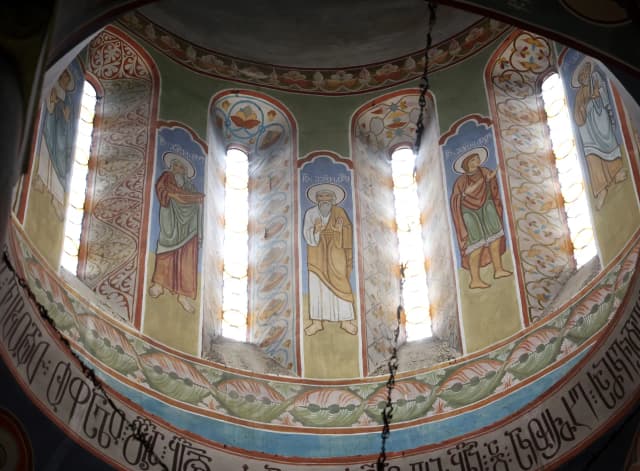
Saint Nicholas Church in Narikala
Narikala, Gomi 1st Lane, Betlemi, Kala, Ortachala, Krtsanisi District, Tbilisi, 0108, Georgia
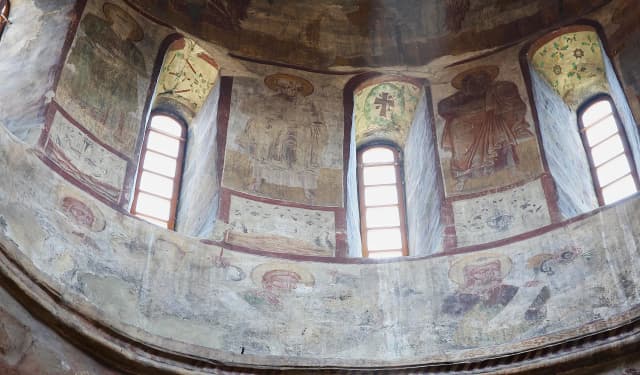
Samtavro Monastery of St. Nino
Samtavro Monastery of Saint Nino, Mirian Mepe Street, Mtskheta, Mtskheta Municipality, Mtskheta-Mtianeti, 3311, Georgia
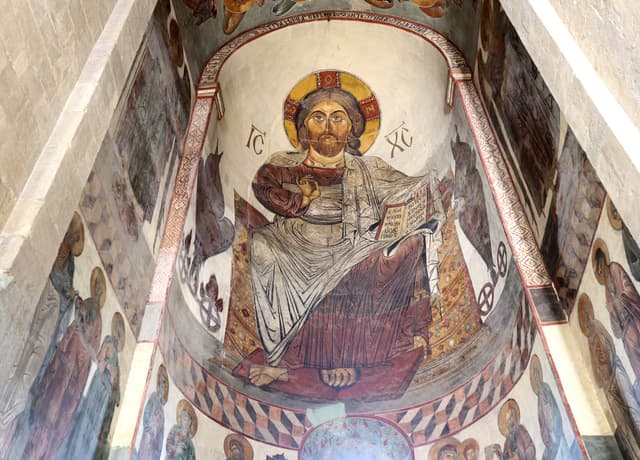
Svetitskhoveli Cathedral
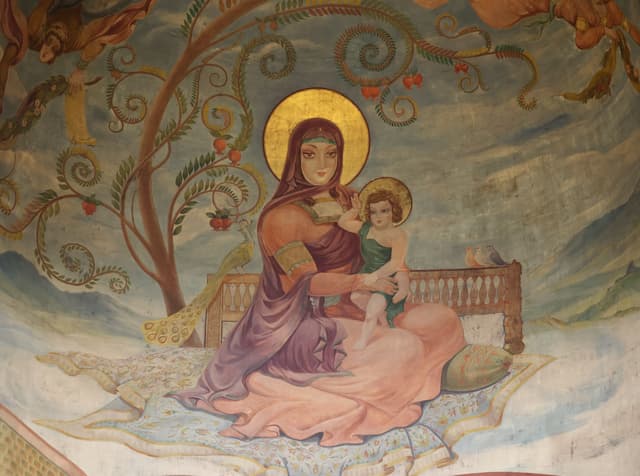
Kashveti St. George Church
9 Shota Rustaveli Ave