Zedazeni Monastery
Saguramo,
Building type: Basilica
Mtskheta-Mtianeti Region
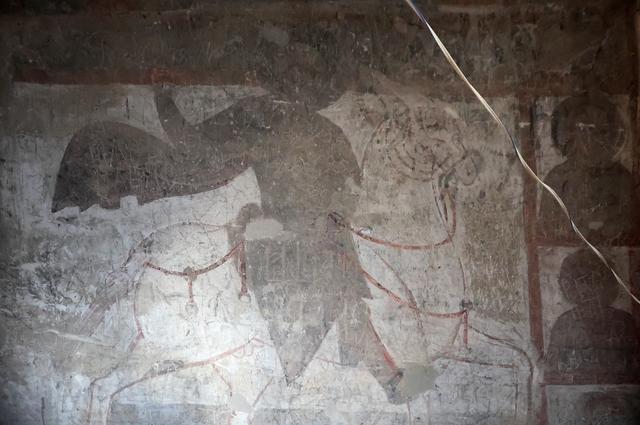
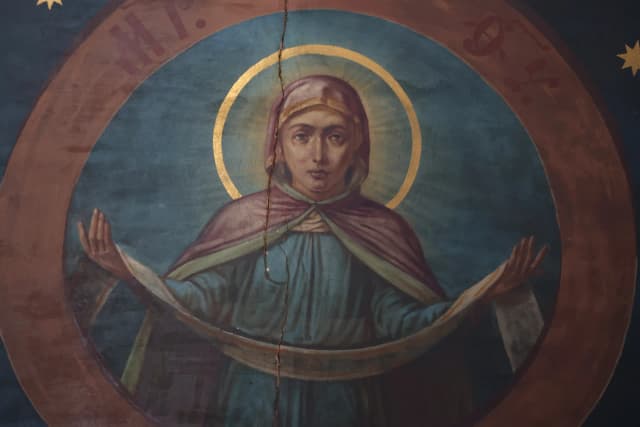
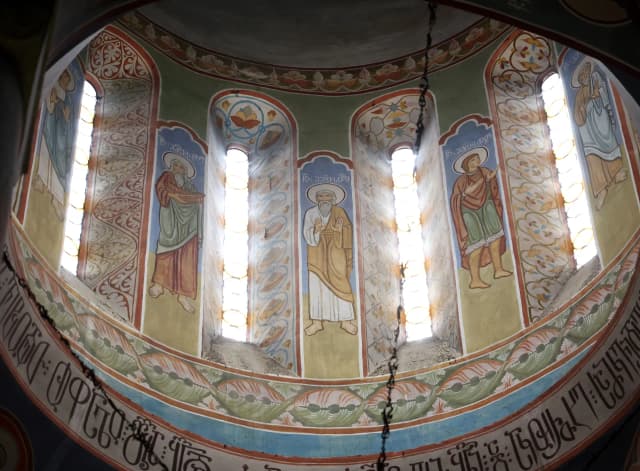
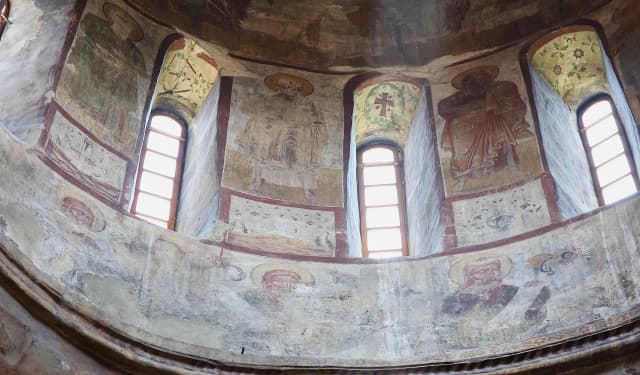
Frescoes
14Architectural Monument
05History
Zedazeni Monastery is one of the significant monuments of Georgia’s monastic and cultural heritage. According to tradition, before Christianity was declared the state religion of Georgia, an idol of Zaden stood at this site.
In the 6th century, Saint John of Zedazeni, one of the Thirteen Assyrian Fathers who came to Georgia from Syria and their leader, chose this location to establish a monastery.
Today, the complex comprises a basilica, a gate tower with a bell tower, and a fortified enclosure. The oldest structure is the main church, a three-aisled basilica dedicated to Saint John the Baptist, dating to the 8th century. The later construction of the enclosure and the remains of a fortress indicate that Zedazeni also served a defensive purpose.
Saint John of Zedazeni died in 573 and, in accordance with his wishes, was buried at the monastery. A small chapel was initially built over his grave. In the third quarter of the 8th century, Catholicos Clementos constructed a three-aisled basilica on the site, incorporating the earlier chapel of Saint John of Zedazeni into the new structure. From that time onward, the monastery complex gradually expanded. The basilica’s entrance porch was built in the first half of the 9th century, followed by additional monastic buildings. At the end of the 10th century, the monastery church underwent further renovation and alterations.
In the 18th century, the surviving bell tower and a monastic cell were built, while the church was renovated by Catholicos Domenti. In the 19th century, during the leadership of Bishop Aleksandre Okropiridze, monastic life was revived after having been interrupted in 1705.
At the beginning of the 20th century, the monastery experienced another difficult period. Monastic life was suspended between 1915 and 1922. In 1970–1971, extensive restoration and conservation works were carried out across the Zedazeni complex.
The monastery’s centuries-long history encompasses the early Christian monastic tradition, the ecclesiastical and defensive history of the Middle Ages, and the periods of restoration and preservation in the 19th and 20th centuries. Its significance is further enhanced by the tomb of Saint John of Zedazeni and the architectural and artistic layers preserved at the site, reflecting different historical periods.
Historical Sources
You May Also Like
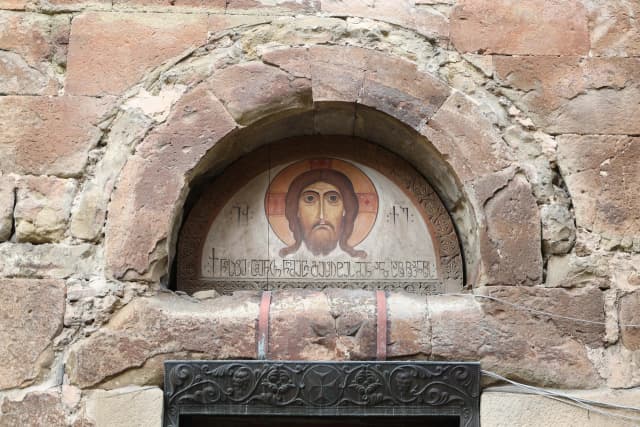
Anchiskhati Basilica of St. Mary
7 Shavteli Street, Kala, Ortachala, Krtsanisi District, Tbilisi, 0108, Georgia
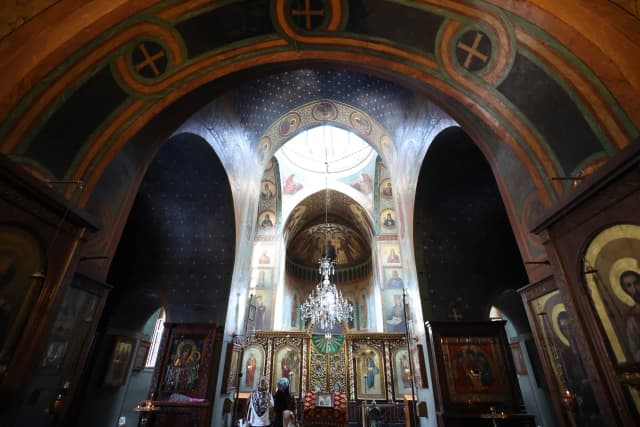
Old Holy Trinity Church
6 Erosi Manjgaladze Street, Kaloubani, Tbilisi 0108, Georgia.
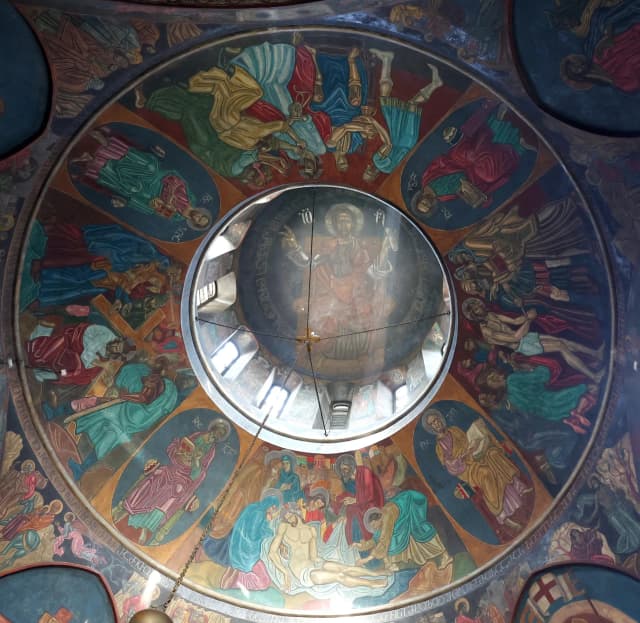
Didube Church of Mother of the God
42 Akaki Tsereteli Ave, Tbilisi 0154
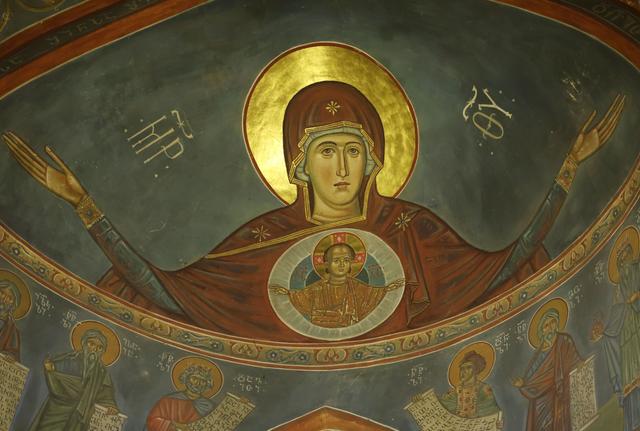
Upper Bethlehem Church of the Nativity of the Savior
18 Betlemi Rise, Tbilisi
Kaloubani St. George Church
Kaloubani Church of Saint George, Zahesi — Mtskheta — Kavtiskhevi — Gori — Skra — Kareli — Osiauri, Mtskheta, Mtskheta Municipality, Mtskheta-Mtianeti, 3300, Georgia
Mtatsminda Father David Church
Mama Daviti Rise, Mtatsminda, Sololaki, Mtatsminda District, Tbilisi, 0108, Georgia
Saint Nicholas Church at Narikala
Narikala, Gomi 1st Lane, Betlemi, Kala, Ortachala, Krtsanisi District, Tbilisi, 0108, Georgia
Samtavro Monastery of St. Nino
Samtavro Monastery of Saint Nino, Mirian Mepe Street, Mtskheta, Mtskheta Municipality, Mtskheta-Mtianeti, 3311, Georgia