Anchiskhati Basilica of St Mary
Shavteli Street, Kala, Ortachala, Krtsanisi District, Tbilisi, 0108, Georgia
Building type: Three-span basilica
Tbilisi Region
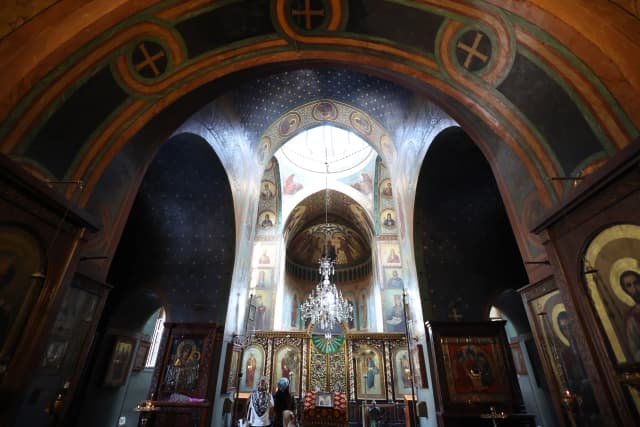
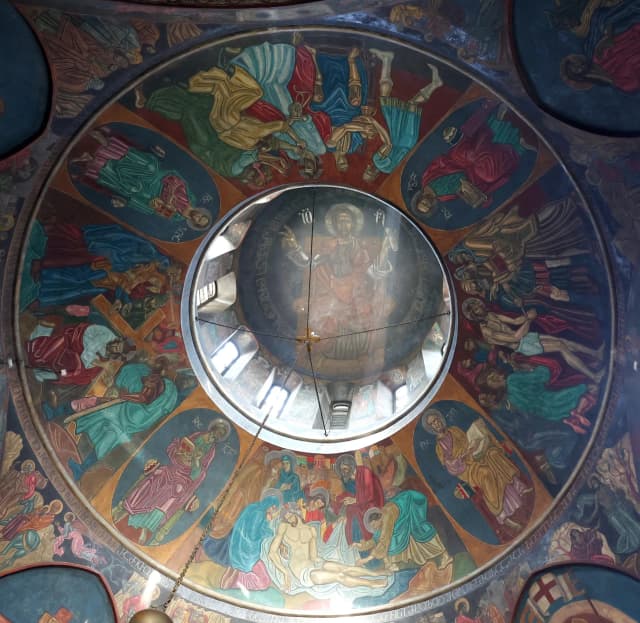
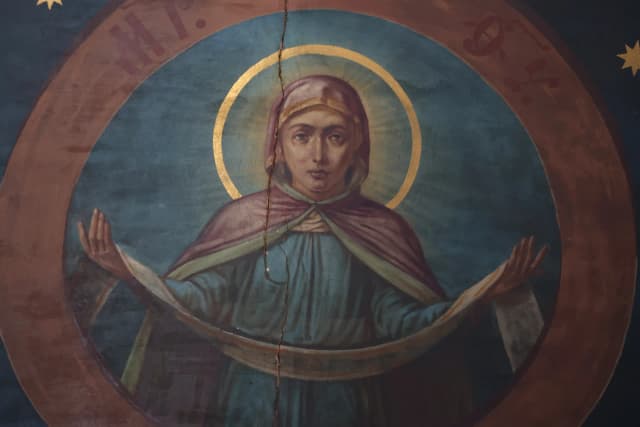
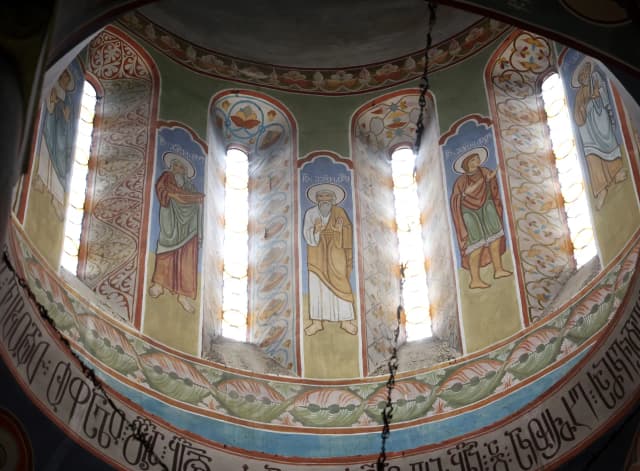
Frescoes
37Architectural Details
14History
Anchiskhati Church is one of the oldest and most significant historical monuments in Tbilisi. Its history is almost as old as the city itself, making it a living witness to Tbilisi’s past.
The church was built in the early 6th century, during the reign of King Dachi of Ujarma, the son of King Vakhtang Gorgasali. It was during this period that Tbilisi was becoming the political centre of the Kingdom of Kartli. The chronicle “Conversion of Kartli” (Moktsevay Kartlisay) records that a church called “Holy Mary Church” was built in Tbilisi at this time. Some scholars identify this church with Anchiskhati.
The church was not originally known as Anchiskhati. Its present name was established in the 17th century, when the renowned Ancha Icon - the Acheiropoietic Icon of Christ - was brought here from the Monastery of Ancha. The icon’s elaborate repoussé metalwork is associated with the celebrated Georgian goldsmith Beka Opizari, who was active in the 12th - 13th centuries. It was after this sacred icon was transferred here that the church came to be known as “Anchiskhati.”
Over the centuries, the church underwent numerous alterations and suffered repeated damage. It was restored in the 17th century, and as a result of the restoration, some parts of the building were renewed using brick and other new construction materials.
In 1683, the church was painted on the commission of Catholicos Nikoloz Amilakhvari. Particularly noteworthy is the depiction of the “Root of Jesse” on the front of the apse, which alludes to the biblical ancestry of the Bagrationi dynasty.
The church preserves wall paintings dating from the first half of the 19th century, executed following the renovation of the church in 1813 by Archpriest Dimitri Aleksi Meskishvili. They represent an example of Georgian painting from the transitional period between the Middle Ages and the modern era and are particularly notable for their depiction of scenes from the history of the Acheiropoietic Icon of Christ. The church was repaired and repainted several times during the 19th century.
Anchiskhati served not only as a place of worship. During the reign of King Erekle II, a seminary was established at Anchiskhati, which became an important spiritual and cultural centre of Tbilisi.
At the end of the 18th century, in 1795, Anchiskhati was severely damaged during the invasion of Agha Mohammad Khan, but was subsequently restored. In the 19th century, the church underwent several alterations, including the addition of a false dome and a bell tower, which were removed during restoration works carried out in the 20th century.
As a result of restoration works carried out between 1958 and 1964, the church was brought as close as possible to its historic appearance, and earlier architectural layers were revealed.
You May Also Like
Old Holy Trinity Church
Grigol Abashidze Street, Garetubani, Mtatsminda, Sololaki, Mtatsminda District, Tbilisi, 0108, Georgia
Didube Church of Mother of the God
Didube Pantheon, Didube, Didube District, Tbilisi, Georgia
Mtatsminda Father David Church
Mama Daviti Rise, Mtatsminda, Sololaki, Mtatsminda District, Tbilisi, 0108, Georgia
Saint Nicholas Church in Narikala
Narikala, Gomi 1st Lane, Betlemi, Kala, Ortachala, Krtsanisi District, Tbilisi, 0108, Georgia
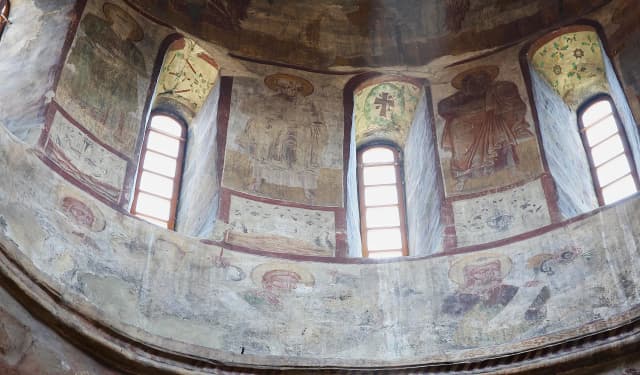
Samtavro Monastery of St. Nino
Samtavro Monastery of Saint Nino, Mirian Mepe Street, Mtskheta, Mtskheta Municipality, Mtskheta-Mtianeti, 3311, Georgia
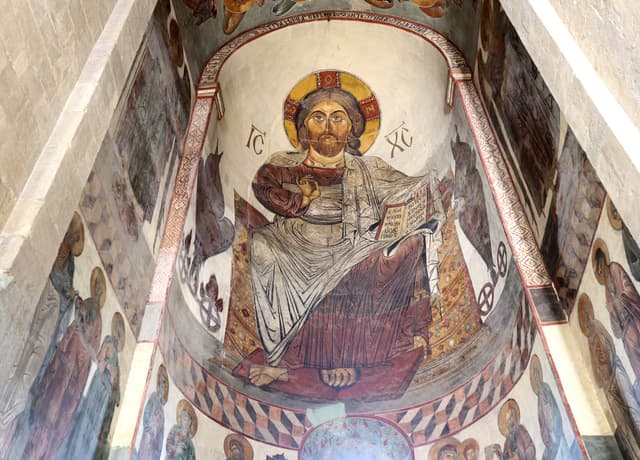
Svetitskhoveli Cathedral
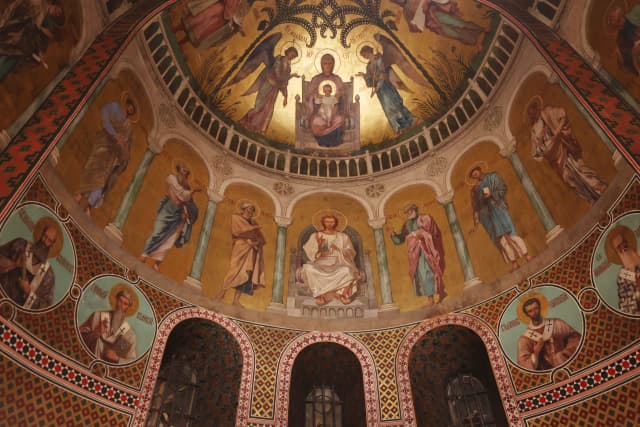
Cathedral of Saint Mary of Zion
სიონი
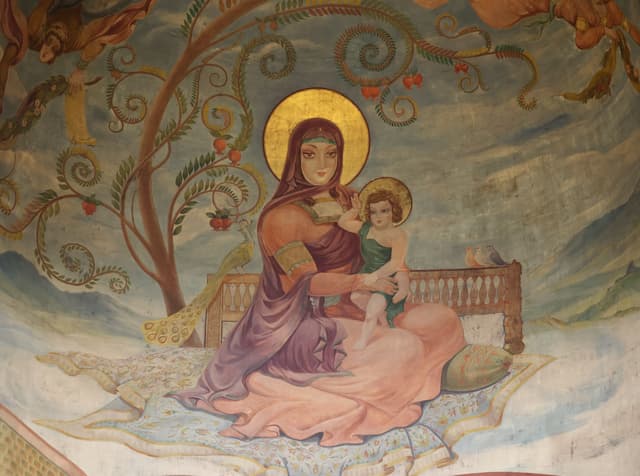
Kashveti St. George Church
9 Shota Rustaveli Ave