Jvari Monastery
Jvari Monastery,
Building type: Cross-dome church
Mtskheta-Mtianeti Region
Architectural Monument
22History
Jvari Monastery is situated east of Mtskheta, atop a rocky mountain overlooking the confluence of the Mtkvari and Aragvi rivers. According to tradition, in the 4th century, Saint Nino erected a wooden cross at this site, making it one of the most important sacred places in Christian Georgia.
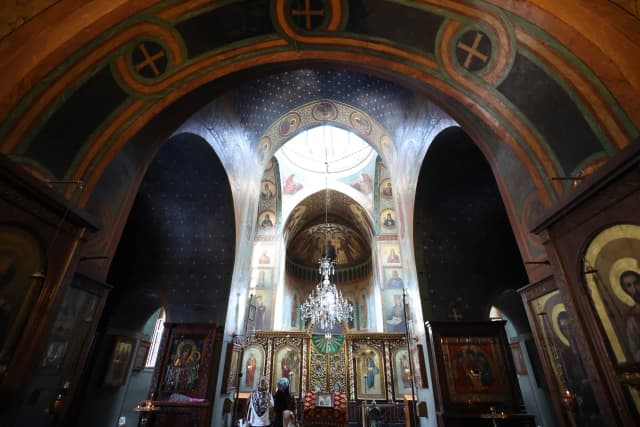
In the 6th century, Guaram, the ruler of Kartli, built a small church beside the cross. Between 585 and 604, his son, Stephanoz I, commissioned the construction of the present cross-domed church. The building is an outstanding example of early medieval Georgian architecture. Its central space is organized around four apses and four niches, giving Jvari Monastery its distinctive architectural character.
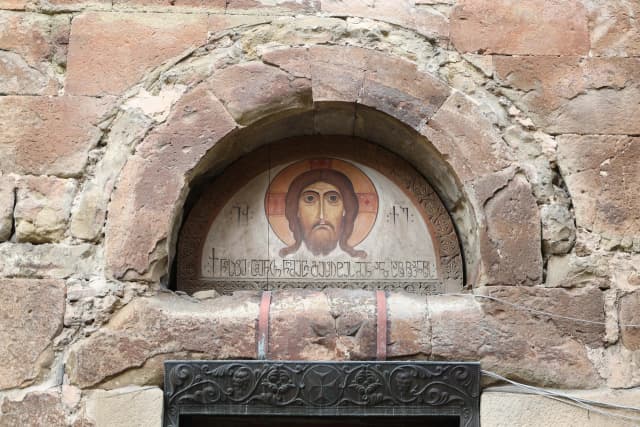
The church façades are adorned with sculpted reliefs and inscriptions in the ancient Georgian Asomtavruli script. On the eastern façade, above the sanctuary windows, Stephanoz I, the ruler of Kartli, is depicted standing before Christ. This stone relief is an important artistic and historical monument associated with the construction of the church. The southern façade features a composition depicting the Glorification of the Cross.
Along with other historic monuments of Mtskheta, Jvari Monastery has been included on the UNESCO World Heritage List since 1994. It remains one of the most significant monuments of Georgia’s early Christian heritage and medieval architecture.
Historical Sources
You May Also Like
Anchiskhati Basilica of St. Mary
7 Shavteli Street, Kala, Ortachala, Krtsanisi District, Tbilisi, 0108, Georgia
Old Holy Trinity Church
6 Erosi Manjgaladze Street, Kaloubani, Tbilisi 0108, Georgia.
Didube Church of Mother of the God
42 Akaki Tsereteli Ave, Tbilisi 0154
Zedazeni Monastery
Saguramo, Mtskheta Municipality, Mtskheta-Mtianeti, 3300, Georgia
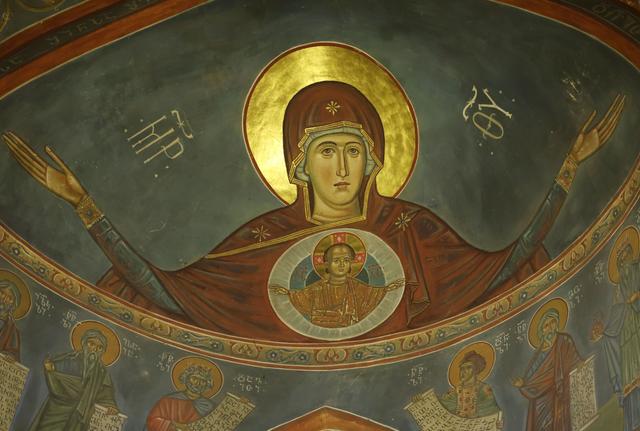
Upper Bethlehem Church of the Nativity of the Savior
18 Betlemi Rise, Tbilisi
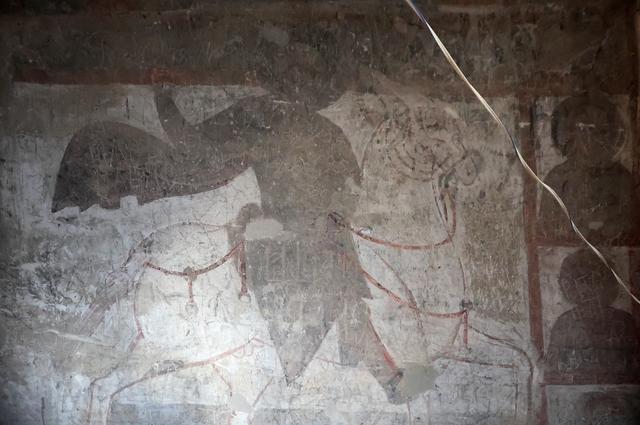
Kaloubani St. George Church
Kaloubani Church of Saint George, Zahesi — Mtskheta — Kavtiskhevi — Gori — Skra — Kareli — Osiauri, Mtskheta, Mtskheta Municipality, Mtskheta-Mtianeti, 3300, Georgia
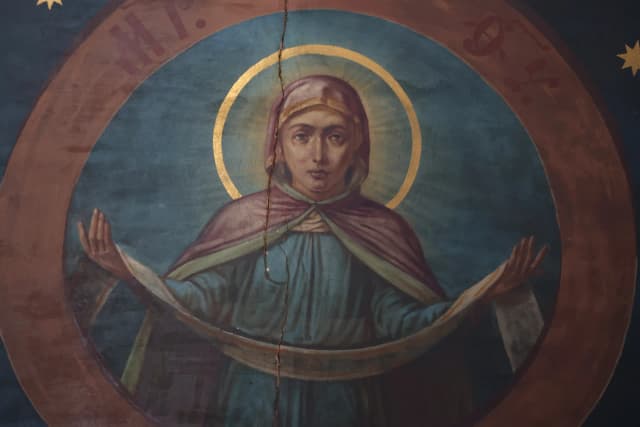
Mtatsminda Father David Church
Mama Daviti Rise, Mtatsminda, Sololaki, Mtatsminda District, Tbilisi, 0108, Georgia
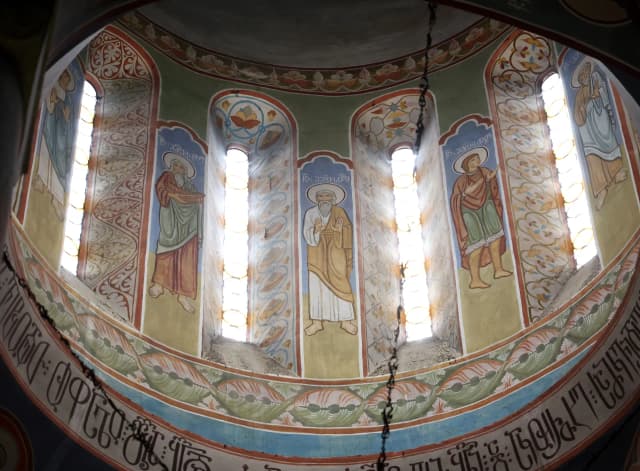
Saint Nicholas Church at Narikala
Narikala, Gomi 1st Lane, Betlemi, Kala, Ortachala, Krtsanisi District, Tbilisi, 0108, Georgia