St. Andrew the First-Called Church (Blue Monastery)
25, Leo Kiacheli Street, Vera, Mtatsminda District, Tbilisi, 0108, Georgia
Building type: Cross-dome church
Tbilisi Region
Frescoes
81Architectural Details
08History
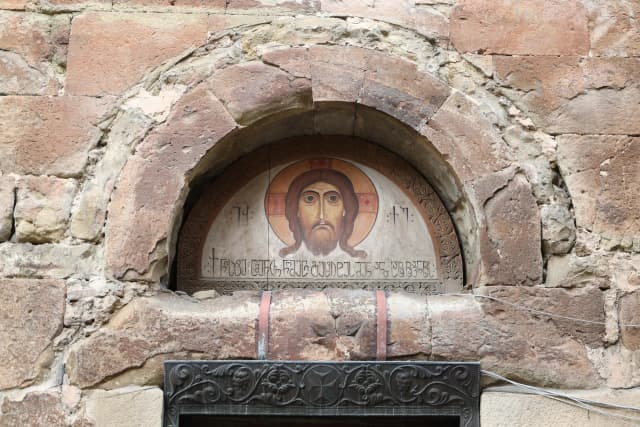
The Blue Monastery is one of the significant medieval monuments of Tbilisi. The church was built on the site of an earlier church at the end of the 12th or beginning of the 13th century. According to the inscription preserved above the southern entrance, its builder was Basil, a former Archbishop of Kartli and brother of Abulasan. Originally, the church was a domed church dedicated to Saint Andrew the First-Called.
The church came to be known as the “Blue Monastery” because of its roof covered with blue-glazed tiles. The church was severely damaged in the 16th - 17th centuries and was subsequently restored. In the 19th century, during the period of Russian rule, the building housed a gunpowder depot of the Russian army. Between 1871 and 1873, the church underwent restoration, and in 1873 a new dome and bell tower were added.
During the Soviet period, a sawmill was established in the Blue Monastery building in the 1950s. Later, the building housed the Museum of the History of Georgian Medicine. In 1990, religious services resumed at the church.
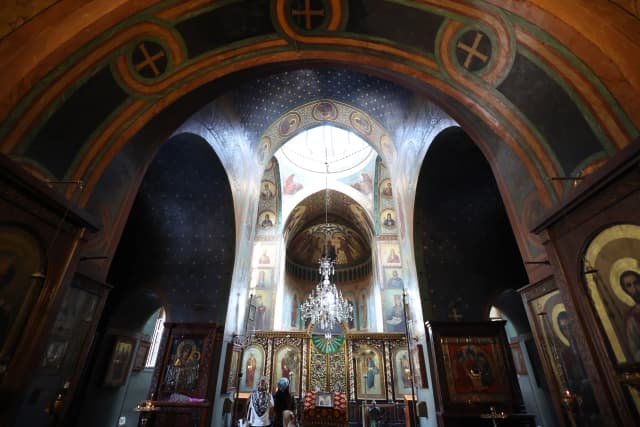
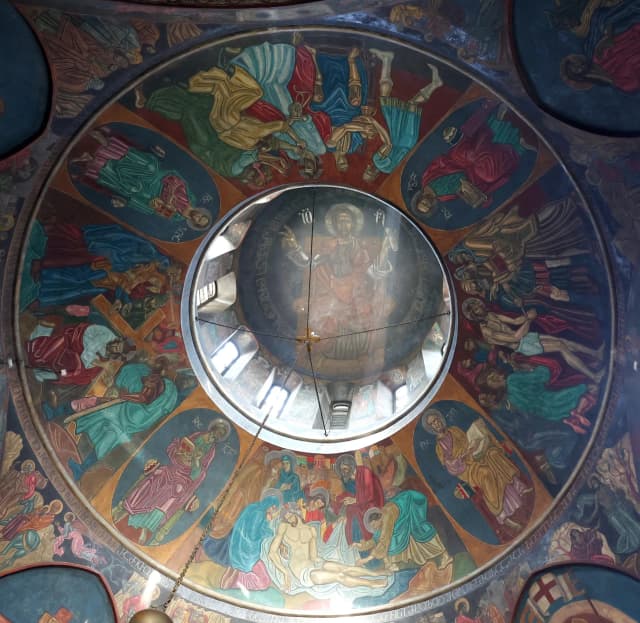
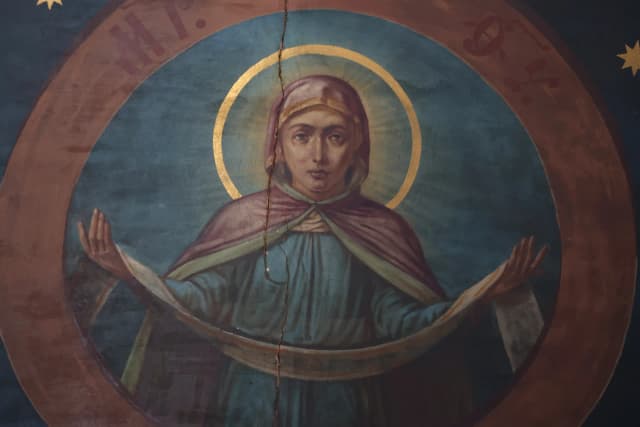
Unfortunately, the church’s original wall paintings have not survived. No traces of the earlier paintings are visible in the interior today, while the existing wall paintings are of more recent date.
Historical Sources
Georgian Encyclopedia - The Blue Monastery
Vakhtang Beridze - “The Blue Monastery of Tbilisi,” Georgian Art, Vol. II, 1948, pp. 91-110.
National Parliamentary Library of Georgia - Dictionary - Central and Local Administrative Structures in Medieval Georgia
Georgian Travel Guide - The Blue Monastery
Karibche - The Blue Monastery, Known as the Church of St. Andrew the First-Called
Tbilisi Times - The History of the Blue Monastery
You May Also Like
Anchiskhati Basilica of St Mary
Shavteli Street, Kala, Ortachala, Krtsanisi District, Tbilisi, 0108, Georgia
Old Holy Trinity Church
Grigol Abashidze Street, Garetubani, Mtatsminda, Sololaki, Mtatsminda District, Tbilisi, 0108, Georgia
Didube Church of Mother of the God
Didube Pantheon, Didube, Didube District, Tbilisi, Georgia
Mtatsminda Father David Church
Mama Daviti Rise, Mtatsminda, Sololaki, Mtatsminda District, Tbilisi, 0108, Georgia
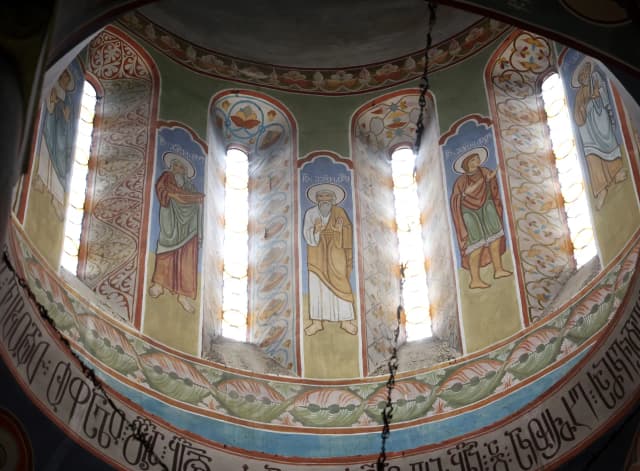
Saint Nicholas Church in Narikala
Narikala, Gomi 1st Lane, Betlemi, Kala, Ortachala, Krtsanisi District, Tbilisi, 0108, Georgia
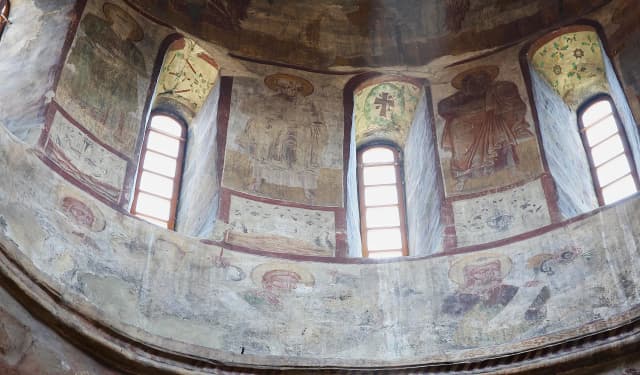
Samtavro Monastery of St. Nino
Samtavro Monastery of Saint Nino, Mirian Mepe Street, Mtskheta, Mtskheta Municipality, Mtskheta-Mtianeti, 3311, Georgia
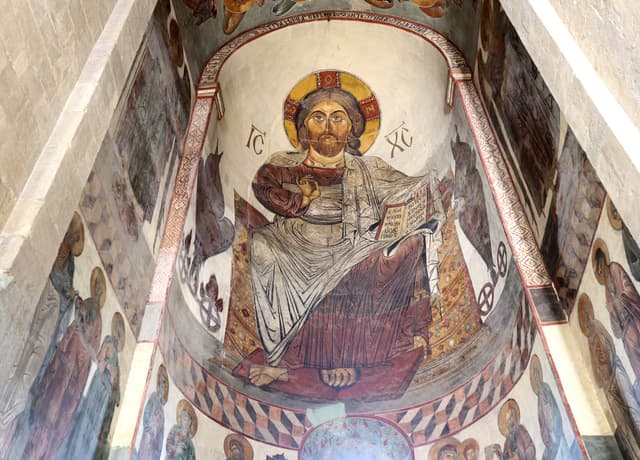
Svetitskhoveli Cathedral
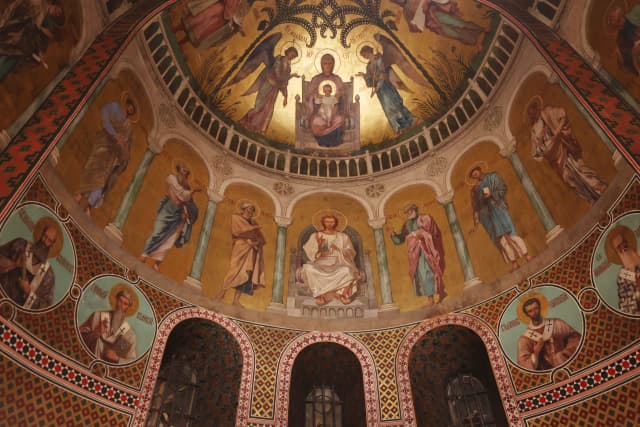
Cathedral of Saint Mary of Zion
სიონი